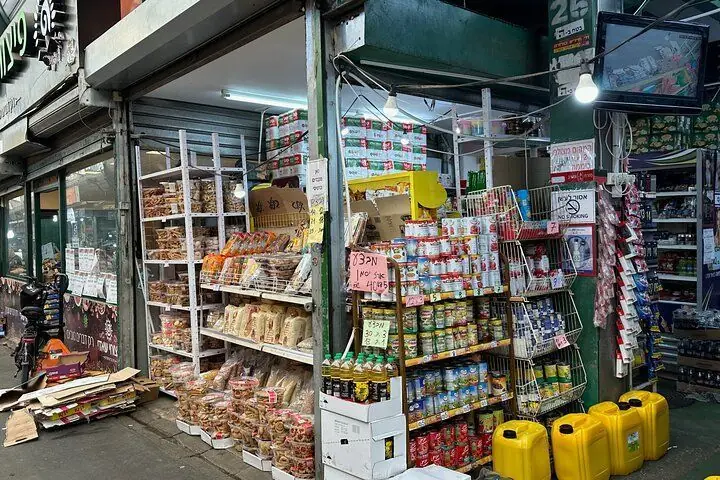
Two Markets, Two Tel Avivs
Ask ten Tel Avivians where to eat in a market and you will start an argument. Half will send you to Shuk HaCarmel, the city's biggest and most photographed bazaar, a roaring artery of produce, spice and street food just off Allenby. The other half will lower their voice and point you southeast to Shuk HaTikva, a smaller, scrappier market in the working-class Hatikva neighborhood where Iraqi-Jewish and Mizrahi cooking still rules the grill.
Both are wonderful. But they are not the same experience, and if you only have appetite for one, the right choice depends on what you came to Israel for. Here is an honest, market-by-market comparison to help you decide, plus the food tour that suits each.
Shuk HaCarmel: The City's Famous Stage
Carmel Market (Shuk HaCarmel) is the one you have seen on Instagram. It runs as a long pedestrian lane from Magen David Square down toward the old Yemenite Quarter (Kerem HaTeimanim), packed shoulder to shoulder with stalls selling pyramids of dates, fresh halva, dripping pomegranate juice, olives, bourekas, knafeh and every spice you can name. It is loud, colorful and unapologetically a show.
Because it sits in the heart of the city, Carmel is easy to fold into a day of sightseeing. The arts-and-crafts fair at neighboring Nachalat Binyamin runs on Tuesdays and Fridays, the Yemenite Quarter behind the shuk hides some of Tel Aviv's best old-school hummus and grill houses, and the beach is a short walk away. For a fuller picture of the lanes and where to eat, our Shuk HaCarmel neighborhood guide maps it stall by stall, and our Shuk HaCarmel food guide covers the must-try bites.
Hatikva Market: Where Locals Actually Shop
Drive (or take a quick rideshare) southeast and you reach Shuk HaTikva, the beating heart of the Hatikva neighborhood. This is a market for residents, not tourists. The crowd is local, the Hebrew is fast, and the cooking leans hard into the Iraqi-Jewish, Yemenite and broader Mizrahi traditions that families here brought from across the Middle East.
This is sabich country, the Iraqi-Jewish pita stuffed with fried eggplant, hard-boiled egg, salads, amba and tahini. It is also the place for kubbeh soup, freshly grilled meats, laffa straight off the taboon, and pickles by the bucket. Prices run lower than Carmel and the welcome is warmer once you show genuine curiosity. Our Hatikva Market neighborhood guide explains how to navigate it, and if the cuisine is new to you, the story behind the dish in our sabich and Iraqi-Jewish food guide is worth a read first.
Atmosphere and Crowds Compared
Carmel is theatrical and crowded, especially late morning into afternoon and on Fridays before Shabbat, when the whole city seems to shop at once. Expect to be jostled, to hear vendors shouting prices, and to share every photo with a dozen other visitors. That energy is the point, but it can feel overwhelming for first-timers.
Hatikva is calmer, more compact and far less touristed. You will rarely hear English, signage is mostly in Hebrew, and the rhythm is that of a neighborhood going about its day. If you want to feel like you stumbled into a real Tel Aviv backstreet rather than a postcard, Hatikva delivers that in a way Carmel simply cannot anymore.
The Food: What to Eat at Each
At Carmel, graze widely: a fresh juice, hot bourekas, a wedge of halva, knafeh from a copper tray, and a stop in the Yemenite Quarter for hummus or a malawach. The variety is enormous, spanning Israeli, Yemenite, Balkan and global street food, which makes it ideal for a first taste of the country's range.
At Hatikva, go deeper rather than wider. Sit down for a sabich done properly, a bowl of kubbeh soup, grilled skewers with charred laffa, and Iraqi pastries you will not find on the tourist trail. It is less about sampling everything and more about eating one regional cuisine extremely well. For a broader primer on the national table, see our guide to what to eat in Tel Aviv.
Authenticity: Which Is the Real Tel Aviv?
Both are authentic, just to different versions of the city. Carmel is the authentic tourist-facing Tel Aviv, a genuine market that has also learned to perform for visitors. Hatikva is the authentic residential Tel Aviv, a market that mostly ignores tourists and keeps cooking for its neighbors.
If authenticity for you means polish, variety and convenience, Carmel wins. If it means eating where locals eat, in a neighborhood few visitors reach, Hatikva is the clear answer. Neither is more correct; they answer different questions.
Best Times to Go (and What to Avoid)
Both markets run Sunday through Thursday and Friday morning, then wind down for Shabbat from Friday afternoon and stay quiet through Saturday. Aim for mid-morning on a weekday for the best balance of full stalls and breathable crowds; Friday is electric but chaotic.
Come hungry, carry small cash alongside a card, wear comfortable shoes, and pace yourself, because the temptation to over-order is real. If markets are central to your trip, our best time to visit Tel Aviv guide can help you line up the season and the weekly rhythm.
Which Should You Visit, and Which Tour?
Short on time and wanting the iconic, sensory, in-the-thick-of-it experience? Choose Carmel, and consider the guided Market Food Tasting Tour at Shuk HaCarmel from $99.99, which gets you straight to the best stalls without the guesswork. Prefer to slip off the tourist track into deeply regional cooking? Choose Hatikva and the Hatikva Iraqi Jewish Market Food Tour from $59.99, led by a guide who can translate menus, customs and history as you eat.
Have two market mornings to spare? Do both, in this order: Carmel first for the panorama of Israeli street food, then Hatikva to go deep on one tradition. Wondering whether a guided tasting is worth it at all, see our take on whether a Tel Aviv food tour is worth it. Either way, you will leave understanding Tel Aviv far better than any restaurant could teach you.
Frequently asked questions
Is Hatikva Market or Shuk HaCarmel better for tourists?+
What food is Hatikva Market known for?+
Are Tel Aviv's markets open on Shabbat?+
Can I visit both markets in one trip?+
Do I need a guided food tour, or can I explore on my own?+
Book These Tours
Explore Tel Aviv with a local guide
Market food tours at Shuk HaCarmel and Hatikva, Tel Aviv & Jaffa walks, beach rentals, and Jerusalem day trips — book online with instant confirmation.
Browse all Tel Aviv & Jerusalem tours →