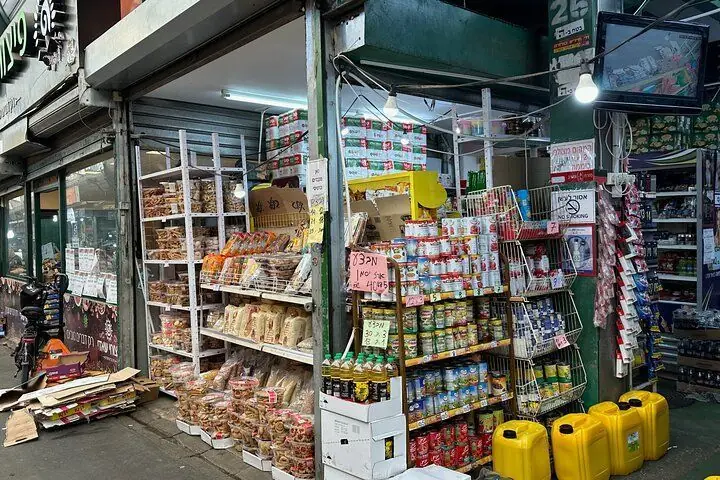
Tel Aviv eats like a city that never quite sits still. Israeli home cooking, Levantine street food and the kitchens of Jewish communities from Iraq to Yemen to Morocco all crowd onto the same plate, and the result is one of the Mediterranean's most exciting food scenes. For a first-time visitor, the trick is knowing what to order and where to find it. This guide walks you through 15 dishes worth building your appetite around, from breakfast classics to late-night sweets.
Most of these you can hunt down on your own with a little wandering. But the fastest way to taste a dozen of them in one morning is to follow someone who knows the stalls by name. If you want the lay of the land first, start with our Tel Aviv destination guide, then read on.
Start With Hummus, the City's True Staple
Forget the supermarket tub. In Tel Aviv, hummus is a hot, freshly made meal served in a shallow bowl with a pool of olive oil, a dusting of paprika and warm pita to scoop. Order it 'masabacha' (with whole, soft chickpeas) or topped with ful (stewed fava beans) for the full experience. Hummus is traditionally a daytime food here, so eat it for an early lunch and expect the best spots to sell out by mid-afternoon. A good bowl with pita and pickles is a meal in itself.
Falafel and Sabich: The Two Great Sandwiches
Falafel needs little introduction, but the Tel Aviv version, crisp-shelled and herb-green inside, deserves to be eaten fresh from the fryer, stuffed into pita with salad, tahini and a spoonful of fiery zhug. The city's other essential sandwich is sabich: pita layered with fried eggplant, hard-boiled egg, salad, tahini and tangy amba (a pickled-mango sauce). Sabich came to Israel with Iraqi Jews and remains a Tel Aviv obsession. If it grabs you, we have a whole piece on sabich and Iraqi-Jewish food and where the tradition lives on.
Shakshuka, the Brunch You'll Want Every Morning
Eggs poached in a simmering, spiced tomato-and-pepper sauce, served bubbling in the pan with bread for dipping: shakshuka is North African in origin and now the unofficial breakfast of Tel Aviv. Cafes serve it all day, often with variations using green sauce, feta or merguez sausage. It is filling, cheap and forgiving for jet-lagged mornings.
Market Snacks: Borekas, Jachnun and More
Wander the lanes of Shuk HaCarmel and you'll smell the next few dishes before you see them. Borekas are flaky, savory pastries filled with cheese, potato or spinach, perfect for eating on the move. On weekends, look for Yemenite specialties like jachnun (a slow-baked rolled dough served with grated tomato and a hard-boiled egg) and malawach (a fried, layered flatbread). These are deeply traditional Shabbat foods and a window into Tel Aviv's Yemenite heritage.
Fresh Fish and the Mediterranean Catch
Tel Aviv sits right on the sea, and grilled fish is a celebration here, often served the Levantine way with a spread of small salads (the famous 'salatim') that arrive before you've even ordered. In nearby Old Jaffa, fish restaurants overlooking the harbor are an institution. Expect whole grilled bream or sea bass, lemon, plenty of tahini and a leisurely pace.
Don't Skip the Salads and Mezze
Some of the best eating in Tel Aviv happens in the supporting cast. Order a mezze spread and you'll get baba ganoush (smoky roasted eggplant), labneh (strained yogurt under a slick of olive oil), tabbouleh, matbucha (a cooked tomato-and-pepper relish) and pickles. Pile it onto pita and you have a vegetarian feast. Israel is one of the easiest countries in the world to eat well as a vegetarian or vegan, and the mezze table is exhibit A.
Sweets: Malabi, Halva and Knafeh
Save room. Malabi is a cool, milky rosewater pudding crowned with red syrup, crushed pistachios and shredded coconut, sold from market stalls in little cups. Halva, the dense sesame-tahini confection, comes in dozens of flavors and is sold in great marbled blocks you can sample before buying. And knafeh, warm cheese under a crisp, syrup-soaked semolina crust, is the showstopper, best eaten hot. Finish with a cup of strong, cardamom-scented coffee or a fresh pomegranate juice.
Where to Taste It All: The Markets
Two markets are the beating heart of Tel Aviv's food culture. Shuk HaCarmel is the city's largest and most famous, a sensory rush of spice mounds, fresh produce, juice stands and hole-in-the-wall kitchens. The smaller, less touristy Hatikva Market leans into the Mizrahi and Iraqi-Jewish flavors that shaped the city, and many visitors find it the more authentic of the two. Can't decide? Our comparison of Hatikva vs Shuk HaCarmel breaks down what each does best.
Let a Local Lead the Way
Markets reward a guide. A good one knows which stall fries the freshest falafel, which vendor's halva is worth the splurge and how to order like a regular. Our Shuk HaCarmel food tour walks you through the spice and produce lanes with a string of tastings along the way, while Hatikva Market: Sights & Tastes digs into the Iraqi and Mizrahi traditions that make this neighborhood special. If you'd rather go deeper into one community's cuisine, the Hatikva Iraqi Jewish Market food tour is built around exactly that. Still on the fence? Here's our honest take on whether a Tel Aviv food tour is worth it.
A Few Practical Tips
Eat hummus early, save sweets for last, and don't be shy about pointing and asking. Most vendors are happy to let you sample. Markets are liveliest mid-morning to early afternoon and wind down before Shabbat on Friday afternoon, reopening Saturday evening or Sunday. Bring cash for the smaller stalls, pace yourself, and come hungry. Tel Aviv's table is generous, and you'll want room for all 15.
Ready to taste your way through the city? Browse our full lineup of Tel Aviv tours or get in touch to plan a food-focused day.
Frequently asked questions
What food is Tel Aviv most famous for?+
Is it easy to eat vegetarian or vegan in Tel Aviv?+
What is sabich and where did it come from?+
Where should I go to try the most Tel Aviv dishes in one visit?+
When are Tel Aviv's food markets open?+
Book These Tours
Explore Tel Aviv with a local guide
Market food tours at Shuk HaCarmel and Hatikva, Tel Aviv & Jaffa walks, beach rentals, and Jerusalem day trips — book online with instant confirmation.
Browse all Tel Aviv & Jerusalem tours →